The Incredible Benefits of Taking Holidays in 2026
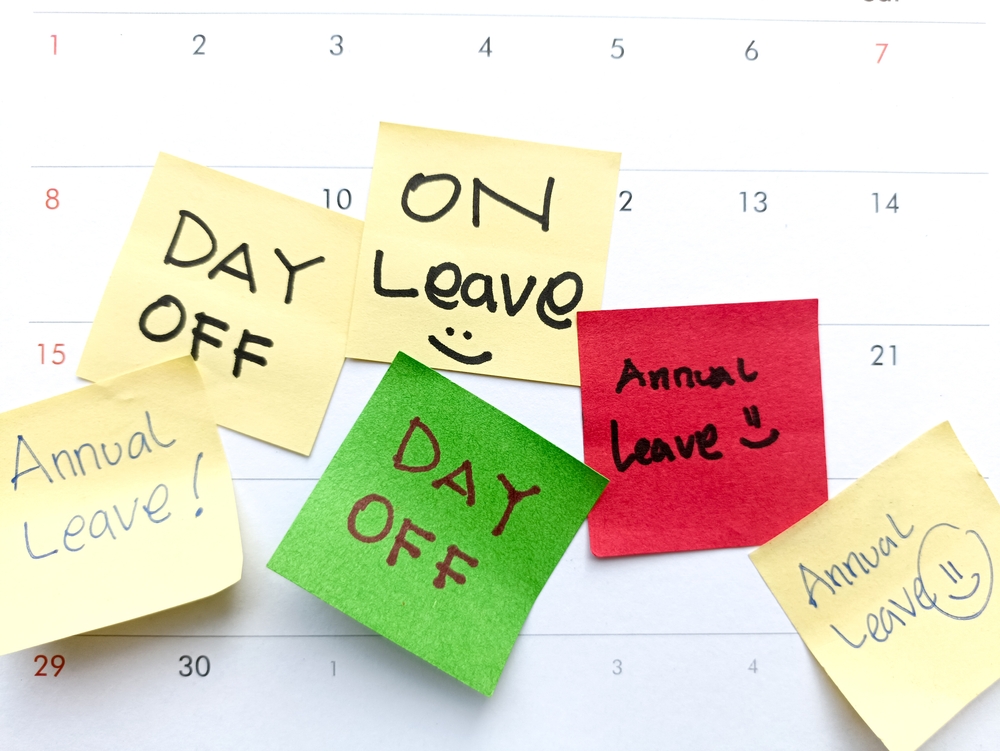
August may still be the traditional holiday month, but in 2026 the case for taking annual leave is bigger than one season. With sickness absence, stress and workload pressures still high across UK workplaces, encouraging people to switch off properly is not a “nice to have”, it is part of good people management.
Most UK workers are legally entitled to 5.6 weeks’ paid holiday each year. For someone working five days a week, that means a minimum of 28 days’ paid annual leave, and bank holidays can be included in that total. Part-time, irregular-hours and part-year workers are also entitled to paid holiday, calculated according to their working pattern.
Yet knowing the rules is only half the job. Employers also need to create a culture where people feel able and expected to take the time off they have earned.
Why holidays matter more than ever
Recent annual leave data suggests that many people are still not using their full entitlement. PeopleHR’s annual leave research found that annual leave taken across the UK dropped by 7.67% between 2022 and 2023, while Timetastic’s latest leave statistics suggest UK workers still left an average of around five days unused in 2024.
At the same time, the CIPD’s 2025 Health and wellbeing at work report found average employee absence had risen to 9.4 days per employee per year, with mental ill health a leading cause of long-term absence and a significant contributor to short-term absence. That makes rest, recovery and workload management a serious business issue, not just a personal preference.
The benefits of taking a proper break
- Better physical health: Time away from work gives the body a chance to recover from stress, long hours and constant demands. Regular breaks can support healthier routines, better sleep and lower stress levels.
- Improved mental wellbeing: A holiday creates distance from everyday pressures. Even a few days away from emails, deadlines and workplace noise can help people reset, reduce anxiety and return with more energy.
- Stronger relationships: Holidays give people time to reconnect with family, friends and themselves. That matters because relationships and support networks are an important part of resilience.
- More creativity and perspective: Stepping away from routine often helps people think differently. Many employees come back with fresh ideas because their brain has had space to process, reflect and recharge.
- Greater productivity: Rested people tend to work more effectively. Encouraging annual leave can reduce the risk of burnout, presenteeism and avoidable mistakes.
- A healthier work-life balance: A workplace that supports holidays sends a clear message: people are valued as people, not just as workers. That can support morale, engagement and retention.
Holidays do not have to be expensive
One reason people put off leave is the cost of going away. But a restorative break does not have to mean a big trip abroad. A staycation, a long weekend, time outdoors, a digital detox, visiting friends, catching up on sleep or simply having unstructured time at home can all help employees return feeling more refreshed.
What employers can do
Employers have an important role in making holidays feel normal, manageable and genuinely encouraged. Practical steps include:
- Regularly reminding employees to book leave throughout the year, rather than waiting until the final quarter.
- Monitoring holiday balances and checking in with people who have not taken much time off.
- Making sure workloads are planned so people do not feel guilty about being away.
- Encouraging managers to model good behaviour by taking their own annual leave.
- Clarifying how holiday works for part-time, irregular-hours and part-year workers.
- Discouraging routine contact during annual leave unless there is a genuine emergency.
Beating the “holiday blues”
Some people avoid taking holidays because coming back can feel overwhelming. The inbox is full, tasks have moved on, and the positive impact of the break can disappear within a few hours. A little planning can make the return much easier.
- Before going away: create a short handover, tidy the to-do list, set expectations and agree who will cover urgent matters.
- On return: avoid booking back-to-back meetings on the first day, prioritise urgent work and allow time to catch up properly.
- For managers: consider an “off-grid” return day after longer holidays, where employees can read updates, clear emails and re-plan priorities before jumping straight into meetings or client work.
A final thought
Annual leave is not lost productivity, it is part of sustaining productivity. In 2026, organisations that actively encourage people to take proper breaks are likely to be better placed to support wellbeing, reduce burnout risk and retain engaged, motivated employees.
New Dawn tip: Do not just record annual leave, manage it proactively. If someone has not taken a meaningful break for months, that is a wellbeing conversation waiting to happen.
Please visit our website to learn more about our services HERE